Horses and Ponies

~~ TRAINING PEOPLE FOR HORSEMANSHIP EXCELLENCE ~~

Welcome to Horses and Ponies

Horses and Ponies shares knowledge, experience and the love of equines on the lifelong path of improving horsemanship.

At horses-and-ponies.com you will find reliable information on horse and pony training, riding, health, natural horsemanship, breeds and barn management.

You'll also find free creative horse activities, including printables, puzzles and poetry.

Equine Health and Nutrition: How to Keep your Horse or Pony Fit and Healthy

Clean a Horse Sheath

How to Clean a Horse Sheath - A Must Do Job for Better Health Eliminating Pain and Discomfort Cleanliness in any form is a good thing. Keeping your horses sheath clean and free of beans is a very … [Read More...]
Causes of Lameness in Horses

Lameness is when a horse has discomfort or pain in its legs or body causing a limp or awkwardness it the stride. It is important to notice lameness in your horse as well as to treat it accordingly. … [Read More...]

Checking Head Injuries in Horses

How to Check if Your Horse or Pony has Severe Brain or Head Trauma Today, I'm going to give you 3 simple field tests you can perform with your horse in the field. When you learn them, you'll be able … [Read More...]

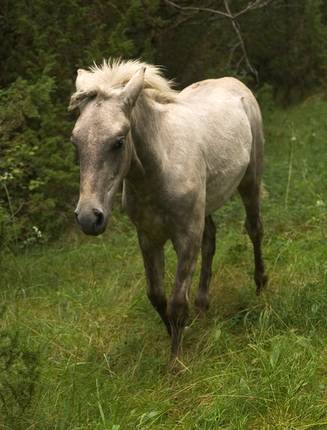
horse walking in field

Bone Breaks in Horses

What to Expect When a Horse Breaks a Bone It is important to note that any and all bone breaks/fractures in horses require immediate veterinary attention! We have all heard that horses must be … [Read More...]

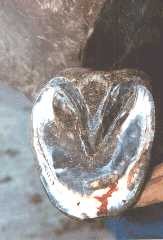
hoof abscess

Treat a Horse Hoof Abscess

A hoof abscess can be one of the scariest things a horse owner may witness. One day the owner walks into the stable to visit his beloved horse and, behold, the horse appears lame, refusing to place … [Read More...]

~ More Equine Health Articles

  • Horsemanship
    • Equine Behaviour
    • Groundwork Training
    • Horse Riding
    • Horse Training
  • Health and Wellness
    • First Aid
    • Foot and Hoof Care
    • Hygiene
    • Horse Nutrition
    • Stomach and Digestion
  • Horse and Pony Breeds
  • Care and Stable Management
    • Adoption
    • Basic Horse Care
    • Horse Associations
    • Tack and Equipment
  • Creative Horse Activities
    • Printables
    • Horse Puzzles
    • Horse Quotes and Poems
You are here: Home / Health and Wellness / Horse Vital Signs

Horse Vital Signs

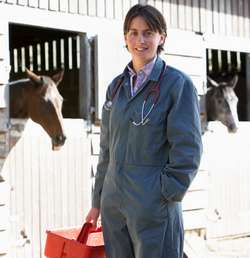
vet visiting horse barn

Vet visiting a horse barn

~ Horses and Ponies – Vital Signs and Emergency Signs ~

It is important to know when your horse needs veterinary assistance.

If you have a horse or a stable, it is also highly advisable to have a well-equipped first aid kit readily available as you never know when you may need it to treat equines or humans.

VITAL SIGNS in Horses and Ponies:

Heart Rate: 35 – 45 beats/minute at rest. The heart rate can be determined by placing your hand, ear, or stethoscope on the left side of the chest. 60 beats/minute indicates a mild to moderate condition. 80 beats/minute or higher indicates a very severe condition and the vet should be brought in immedietely.

Temperature: 99 – 100 degrees Farenheit or 37.7 – 38.6 degrees Calcius. A digital human oral thermometer inserted into the rectum with a lubricant (vaseline) for one minute will obtain the temperature. Sudden rise in temperature is most often caused by a bacterial or viral infection. Overexertion or heat stroke will show a high fever.

Respiratory Rate: 10 – 15 breaths a minute at rest (noting one breath = one exhale and one inhale). This rate can be obtained by observing the rise and fall of the chest, or feeling the air pass in and out of the nostrils. The overall quality of the breathing is important too– is it sharp? ragged? shallow? noisy? normal? Elevated respiratory rate is often asociated with high fever or pain.

Signs of an Emergency Situation (Call the Vet Immediately)

  • Dramatic rise or decrease of vital signs.
  • Heavy bleeding — apply pressure.
  • Difficulty breathing or choking.
  • Straining to urinate or pass a bowel movement.
  • Loss of balance or coordination/collapse.
  • Inability to foal
  • Severe injury — severe lameness, deep cut etc.
  • Obvious Severe Pain — continuous rolling, sweaty flanks. Spasmodic pain.
  • Poisoning
  • Dehydration — a “pinch test” will determine if a horse is dehydrated. Pinch a bit of the horse’s skin on the neck and let go. The skin should immedietely resume it’s natural position. If the skin is lacking elasticity, your horse is dehydrated.
  • Constipation
  • Persistant cough.

By Filed Under: Health and Wellness Tagged With: emergency, heart rate, vet

Explore


Google

Tag Cloud

abscess alpha apple cider vinegar arena auction bit blanket bridle bruise buckles clean hoof colic corn farrier far side grazing ground manners halter helmet horseshoe instructor jigsaw puzzle lameness lower leg meadow mounting near side obstructive racing riding lesson round pen saddle saddle pad seat spasmodic splints stable sugardine symptoms tack thrush trekking tympanitic vet western

Categories


Terms of Service || Disclaimer || Privacy Policy

Copyright © 2026 Horses-and-Ponies.comĀ·